
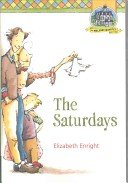
The Saturdays
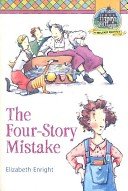
The Four-Story Mistake
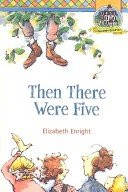
Then There Were Five
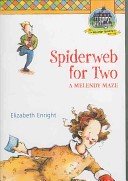
Spiderweb for Two: A Melendy Maze
by Elizabeth Enright (Holt/Square Fish, New York, 2008)
I've heard it said—and often by teachers—that it doesn't matter what children read, as long as they're reading. I couldn't disagree more.
Actually, there's just enough truth there to be dangerous: When one is learning to read, the very best path to the next level is merely to read, and read, and read. It doesn't matter if it's Dr. Seuss, Calvin & Hobbes, Star Wars, or Anna Karenina—almost anything will do that is decent and holds the reader's attention long enough for the practicing to work its magic. When my father was sick and terribly thin, we pressed upon him high-fat, high-calorie, high-sugar foods that would normally have been anathema to a sensible diet.
The trouble with carrying forward a laissez-faire attitude toward the content of children's reading is that our early experiences influence so strongly the habits and tastes we will take with us into adulthood. If our childhood has been reasonably happy, it's almost impossible not to retain an uncritical fondness for what we enjoyed then. It's as important to encourage in our children a taste for nourishing books as it is a taste for nourishing food.
I find Elizabeth Enright's Melendy Family books to be exactly this sort of nourishing book, so much so that on a recent rereading I probably enjoyed them not one bit less than my first enchanted encounter. Maybe even more, because they reminded me so much of my favorite families, many of whom read this blog. Noisy, lively, adventuresome children who occasionally make bad choices and get in trouble—but always repent and are forgiven by loving adults. (I do like a book where "bad choices" means things like climbing out the window when one is supposed to be sick in bed—remember when sick kids were supposed to stay in bed?) Siblings who love each other, and enjoy each other's company, even if they occasionally quarrel a bit. Children who respect the adults in their life. Adults who know how to give their children both roots and wings. (I know it's a cliché, but it's true, and important.)
What struck me most this time as I read the books was how very much they are a Free-Range Kids manifesto. The kids are far less worldly-wise than today's average children, but far more competent. They are entertained and even awed by things that would cause most modern American kids to yawn with boredom and make rude remarks. But they wander New York City on their own at 10 years old (with permission) and even six (without); they love Beethoven, and Shakespeare; they wander over hill and dale (in the country), sometimes gone all day and returning home after dark; they sew, and cook, and build things; they put on plays and arrange benefit concerts for the war effort (the books were written in the 1940's); they get into scrapes and get out of them by a combination of their own ingenuity and knowing when to ask for help from the adults around them. They know the "don't talk to strangers" rule, and more importantly they know its many exceptions.
Yes, I know this is fiction! And I'm not saying the family is ideal—no family without a mother can be. But it's a lot more true to what I knew when I was growing up than most of today's "realistic" children's fiction. The people over at Free-Range Kids are an eclectic lot, and I doubt they'd all enjoy Enright's books, but to me the Melendys are a shining example of the "normal childhood" that many Free-Rangers are working hard to promote. Books like these can encourage both children and their parents in that endeavor, promoting simultaneously family love and loyalty, parental authority, and children's competence and independence. I'm keeping them for the day the grandkids are ready for them (and enjoying them myself in the meantime).
Or maybe I just like the books because the Melendys' attic playroom looks an awful lot like our grandchildren's room even now!
Permalink
Category Reviews Children & Family Issues

